The market for milling picks has filled up fast. Search online and you’ll find dozens of overseas sellers offering picks at prices that look hard to beat.
We understand the appeal. PPA’s picks are made in China too. But we spent a long time finding the right manufacturer, testing the product and building that relationship before we sold a single pick. Buying direct without that groundwork carries more cost and more risk than the unit price shows.
The price on the quote isn’t the price you pay
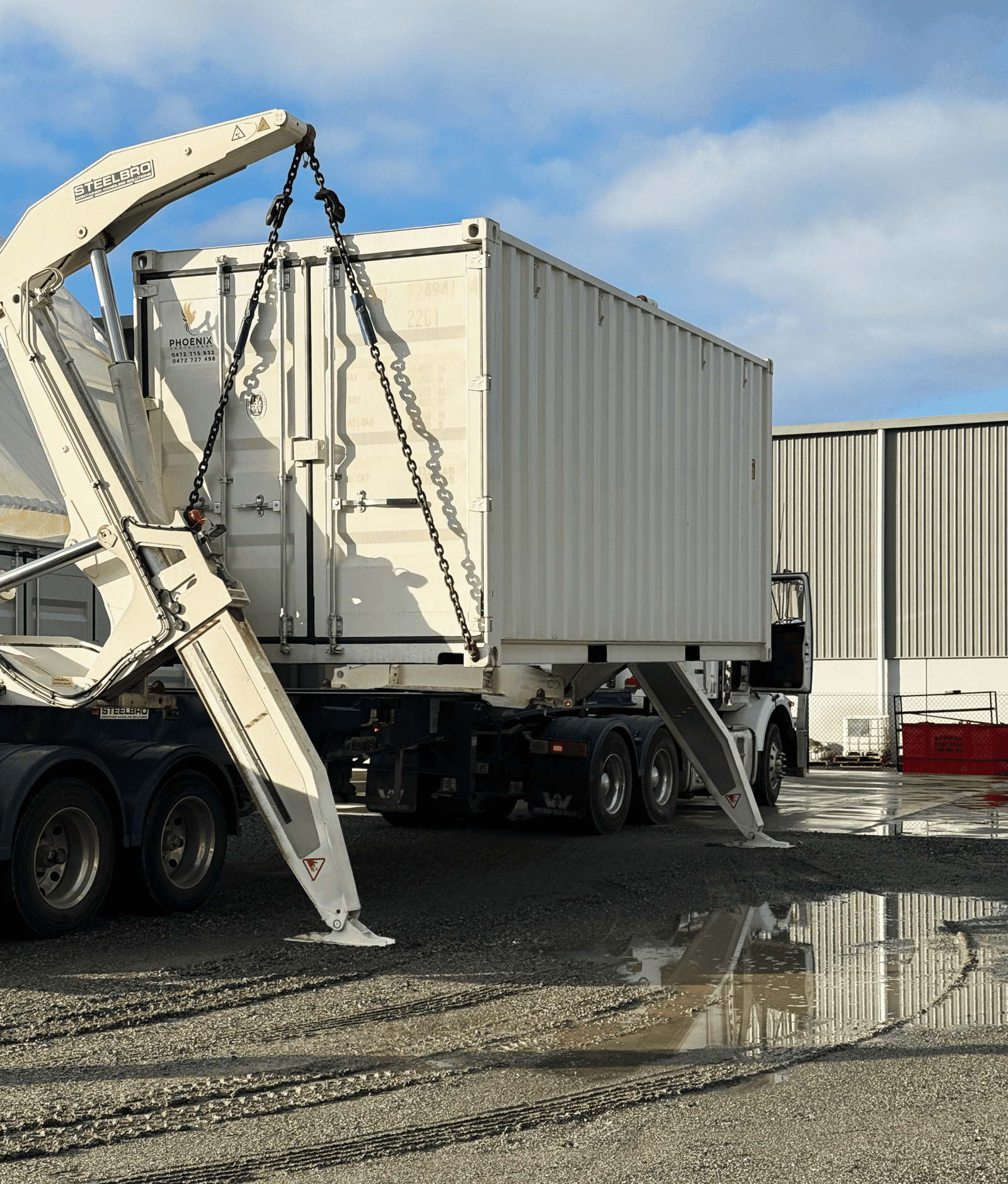
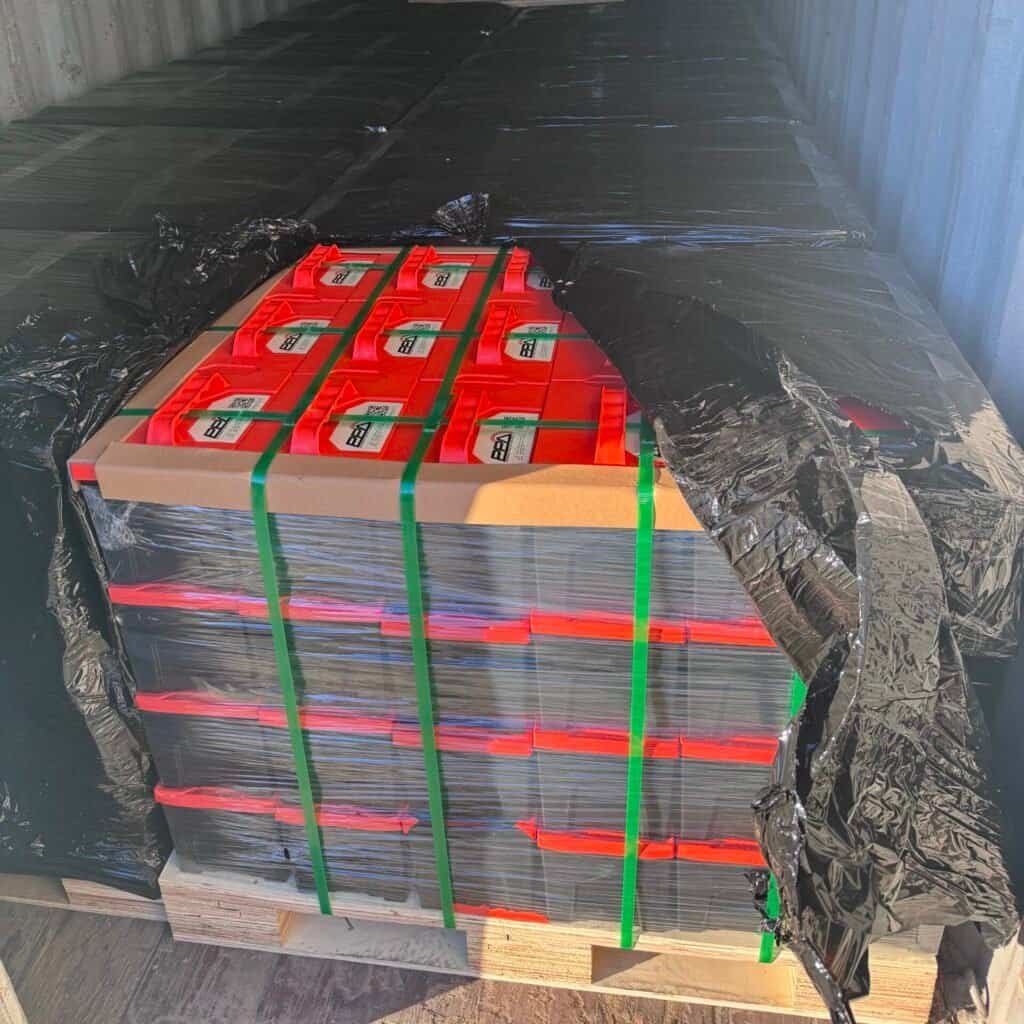
A factory quote usually covers the picks and not much else. To get them onto your drum in Australia, you’ll typically also pay for:
- Freight forwarding and sea or air freight
- Container or consolidated shipment charges
- Port and terminal fees at both ends
- A customs broker to clear the goods
- GST, and any duty that applies
- Biosecurity checks on packaging and pallets
- Local delivery from the port to your yard
Each one adds up. On a small order, these costs can make up a big share of the total, and that can wipe out the saving you thought you were getting.
Then there’s the wait
Shipping from China takes weeks, and delays at either port are common. If you’ve ordered for a specific job, you need to order well ahead and hope it lands on time. If it doesn’t, your machine sits idle or you buy OEM at short notice anyway.
The bigger risk: picks that don’t hold up
Cost and time are one thing. Quality is the bigger gamble.
When you buy from a factory you’ve never visited, you’re relying on photos, a spec sheet and maybe a sample. The sample might be good. The production run might not be. Carbide grade, brazing and body hardness can vary a lot between factories, and between batches from the same factory.
If the picks wear fast or the tips break off, you’ve paid for freight, fees and the wait for a product that costs you more per metre than what you were running before. And getting a refund or replacement from overseas is rarely simple.
What an Australian supplier takes off your plate
Buying from a local supplier like PPA means someone else has already done the hard part.
- The factory has been vetted. We’ve visited our manufacturer and seen their production and quality checks first-hand.
- The product has been tested. Before selling in volume, we sent picks to contractors to run on real jobs. Their feedback was that our picks wore on par with OEM, and some said better.
- Stock is here. We hold picks in WA, so you’re not waiting weeks on a ship.
- One price, landed. No freight forwarder, customs broker or port fees to chase. The price we quote is the price you pay.
- Someone to call. If you have a question or a problem, you talk to a local team.
- More than picks. Our relationship with the manufacturer means we can source holders, drums, track pads and other wear parts when your job needs them.
[Read: From factory floor to Fremantle]
[Read: What to look for in an aftermarket wear parts supplier]
The bottom line
Buying direct can work for large operators with the time, volume and contacts to manage it. For most contractors, the hidden costs and quality risk outweigh the saving on the quote.
If you want aftermarket pricing without the import headaches, get in touch.