Most wear parts distributors have never seen the factory their products come from. We have. Here’s what we found, and why it shapes how PPA operates.
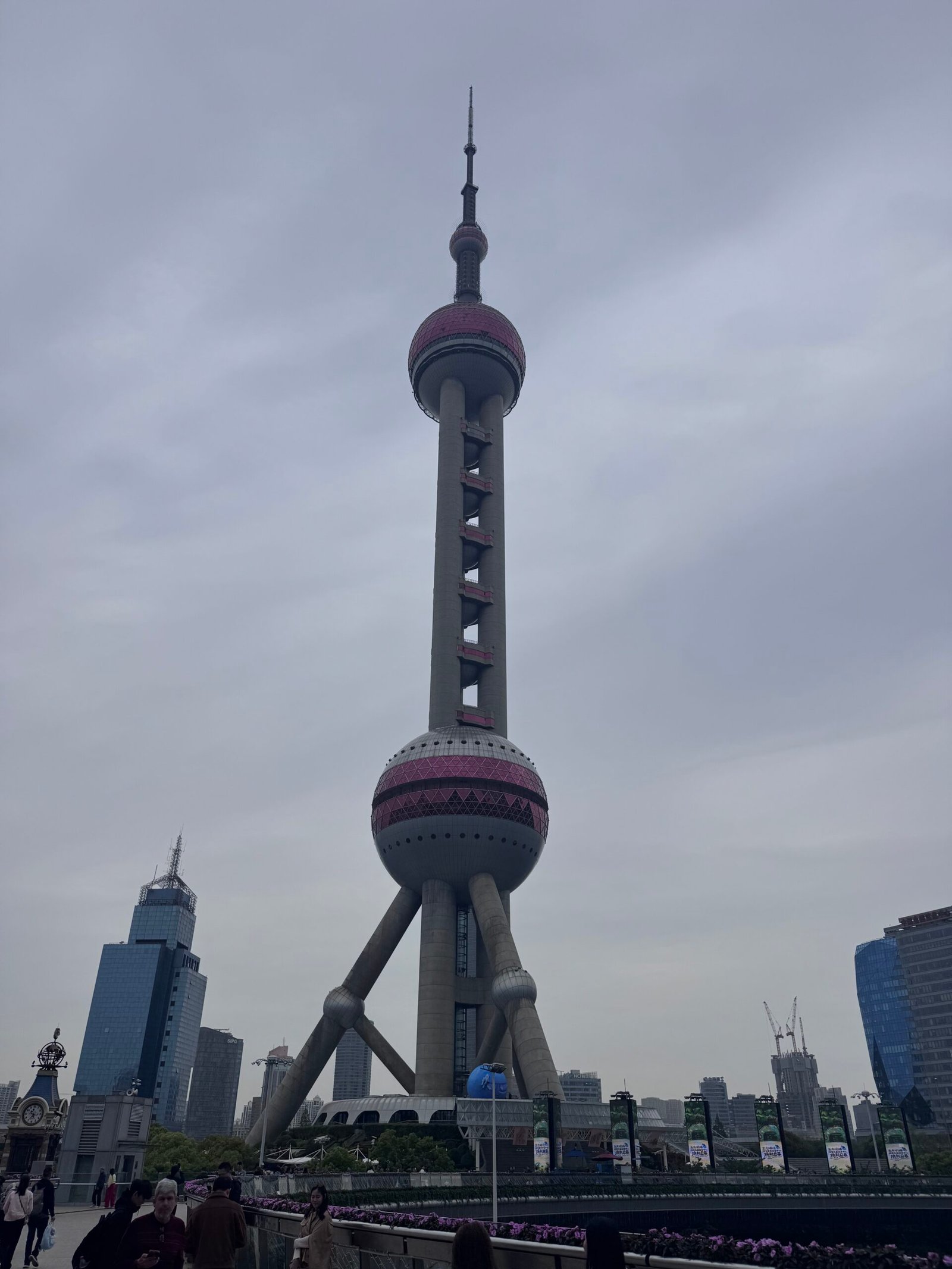
Most wear parts distributors have never seen the factory their products come from. We have and going there changed how we do business. Earlier this year our team travelled to China to meet our manufacturing partners in person for the third time. What we saw on the factory floor gave us a level of confidence in our product that no specification sheet could provide, and the conversations we had shaped how PPA operates today.
Why we went
PPA was built on a direct relationship with manufacturers in China not through trading intermediaries, but through factory partnerships developed over years of working in the civil construction industry in Western Australia. We knew the product worked. But knowing a product works in the field and understanding how and why it’s made the way it is are two different things.
We also needed to understand the supply chain firsthand particularly given the tungsten carbide export controls China was introducing at the start of 2025. We needed to know exactly what our suppliers’ position was, how they were managing raw material supply, and whether the pricing and availability commitments they were making to us were realistic. The only way to answer those questions properly was to go and see for ourselves.
What we saw
The manufacturing facilities we visited produce milling picks and stabiliser teeth at scale. The production process involves precision carbide tipping using virgin tungsten carbide, high-temperature brazing to bond the carbide to the steel body, and quality control checks on hardness, dimensional tolerance, and tip adhesion. It’s a process that requires consistency at every step and seeing it in person gave us confidence that the product we’re bringing to Australia meets that standard.
It’s also worth noting because it’s a question we get — that most picks on the market, including OEM, are manufactured in China. The country of manufacture isn’t the differentiator. What matters is the manufacturer, their processes, their quality systems, and the relationship you have with them. We went to China specifically to verify all of those things firsthand.
The carbide conversation
What stood out most during the visit was the raw material situation. Our suppliers had anticipated the export control changes and secured tungsten carbide supply ahead of the restrictions tightening. That meant their production wasn’t disrupted the way it hit manufacturers who were buying on the spot market and it meant the supply commitments they’d made to us were ones they could actually keep. We came back with a clearer picture of our supply chain than most distributors ever have, and with agreements in place that have kept our pricing competitive even as the broader market has moved significantly.
When you buy from PPA, you’re not buying through a trading company buying from a manufacturer. You’re buying from a team that has walked the factory floor, met the people making the product, and negotiated directly. That’s not a marketing claim, it’s the supply chain we’ve built.
From China to Fremantle
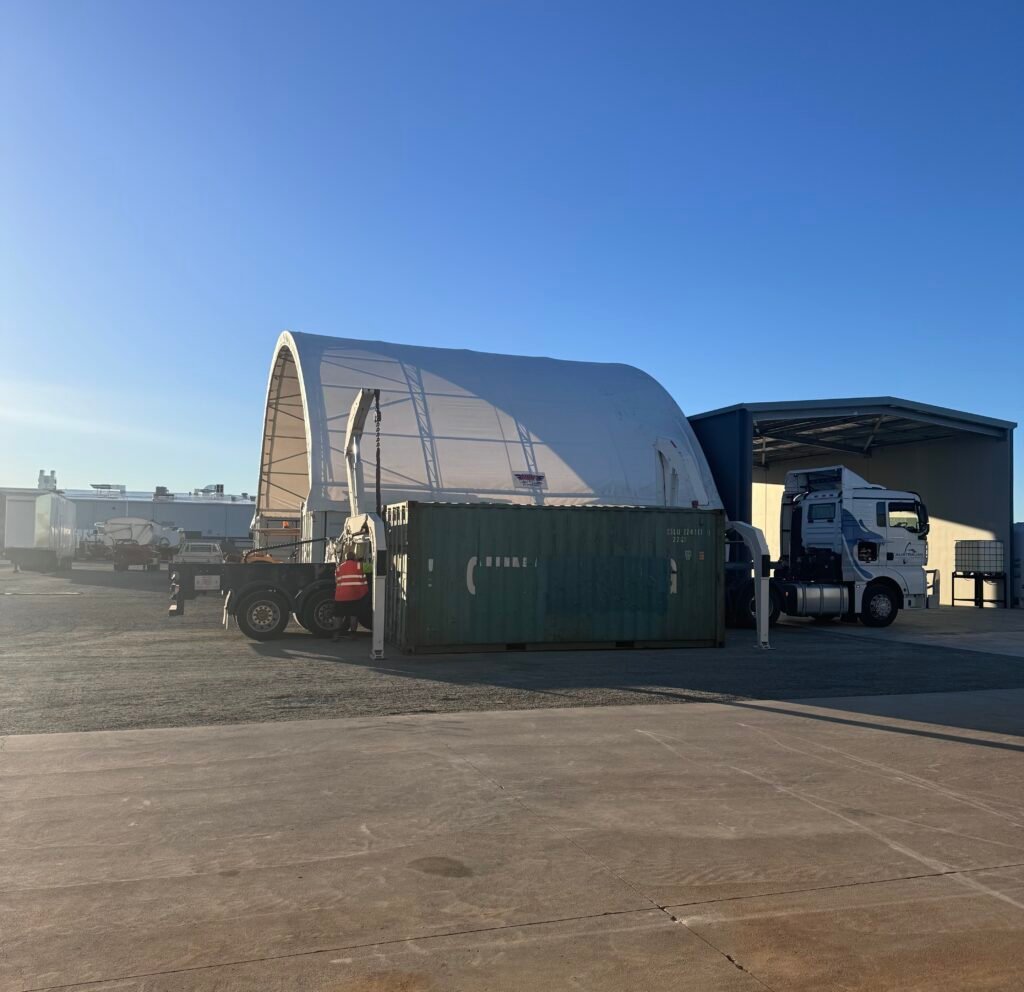
After production, PPA’s picks ship by sea freight in full container loads direct to Fremantle. We import FCL, full container load — which keeps freight costs lower and means we’re holding meaningful volumes as Australian stock. From Fremantle we distribute nationally. For contractors in Western Australia that means fast turnaround. For interstate customers we can organise delivery in a matter of days, through our freight network.